Why Refugees Need International Protection and Legal Safeguards
Refugees need international protection because fleeing danger does not end the threat—it shifts it to the border, where safety, rights, and legal status may all be uncertain. By offering protection from forced return and access to basic rights, international protection gives people a real chance to rebuild their lives in dignity.
By: Peter B on July 24, 2026
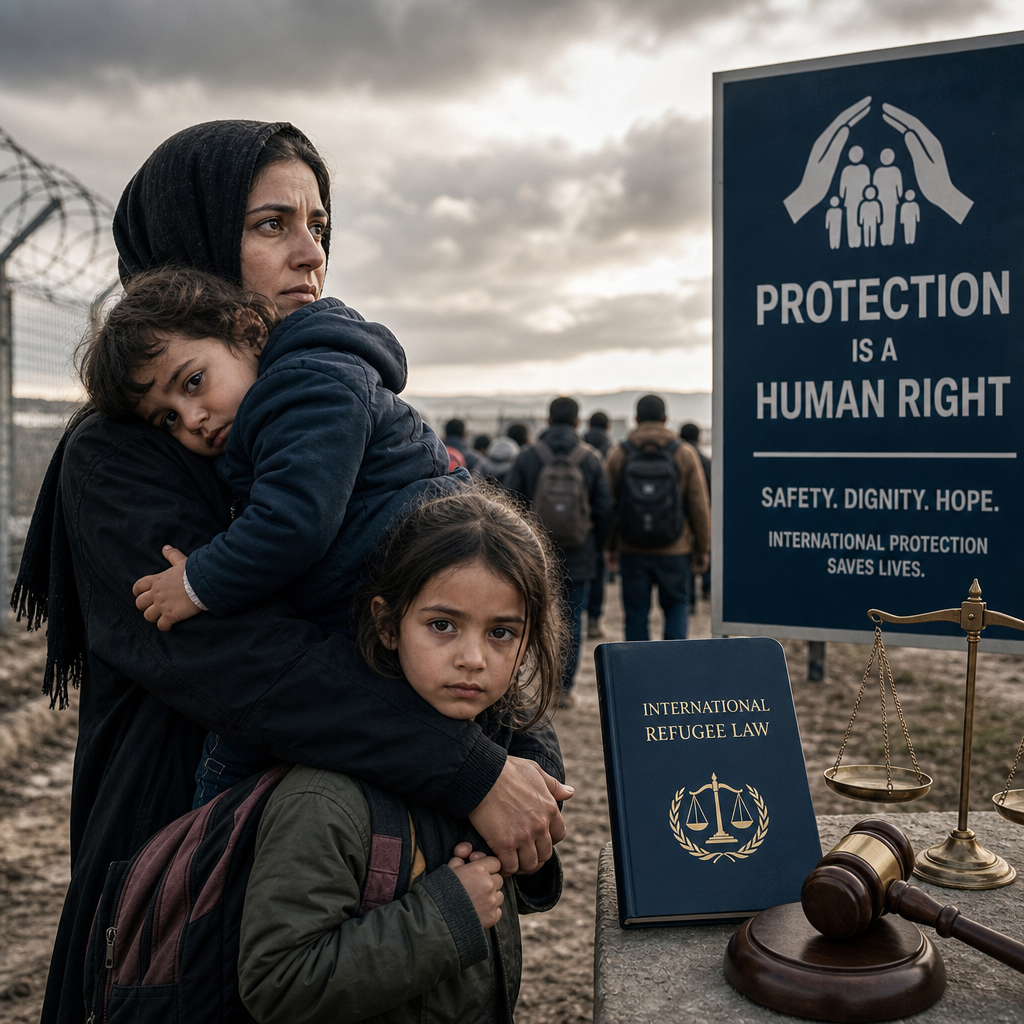
Refugees need international protection because they are forced to flee danger when their own governments cannot or will not keep them safe. War, persecution, torture, and human rights abuses can make it impossible for people to return home. In those moments, refugee protection becomes more than a legal concept—it becomes a lifeline.
When people cross borders seeking safety, they often lose far more than their homes. They may lose family members, community support, property, work, education, and access to healthcare. International protection helps fill that gap by giving refugees legal status, safety from forced return, and access to basic rights while they rebuild their lives.
Understanding why refugees need international protection is essential for anyone who wants to make sense of global displacement, asylum systems, and humanitarian responsibility. It also helps explain why international refugee law exists and why countries around the world share obligations to protect people fleeing danger.
What Is International Protection for Refugees?
International protection refers to the legal and humanitarian safeguards that help refugees survive and live with dignity after fleeing their home countries. It is rooted in international refugee law, human rights law, and the principle of non-refoulement, which means a person cannot be returned to a country where they face serious harm.
This protection is especially important because refugees often cannot rely on their own national systems. If the state they fled is the source of persecution or violence, they need outside protection to remain safe.
Core elements of refugee protection
International protection typically includes:
Protection from forced return
Access to fair asylum procedures
Recognition of refugee status
Legal documentation
Basic rights such as education, healthcare, and work
Protection from discrimination, detention, and exploitation
These safeguards are not optional extras. They are the foundation that allows refugees to survive, recover, and eventually contribute to their new communities.
Why Refugees Need International Protection
Refugees need international protection because their home country can no longer guarantee safety. In many cases, the threats are not temporary or isolated. They may stem from armed conflict, targeted persecution, ethnic cleansing, political repression, or gender-based violence.
1. Their own state may be unable to protect them
A refugee’s government may have collapsed, lost control of territory, or become a source of danger itself. In civil war or state repression, police, courts, and public services may be unreliable or inaccessible.
Without international protection, a refugee may have nowhere safe to turn.
2. Returning home may put their life at risk
Some people flee because they face direct threats to their life or freedom. Returning them without a proper assessment can expose them to:
Imprisonment
Torture
Violence from armed groups
Persecution based on religion, ethnicity, politics, or identity
Serious harm from domestic abuse or gender-based persecution
That is why the principle of non-refoulement is so important. It prevents governments from sending people back into danger.
3. They may be stateless or lack legal identity
Some refugees do not have valid documents. Others may have lost them while fleeing. Without identity papers, it becomes harder to cross borders legally, access services, enroll in school, or seek work.
International protection helps refugees regain legal identity and access the systems they need to survive.
4. They are vulnerable to exploitation
When refugees have no legal status, they can become easy targets for traffickers, smugglers, abusive employers, and criminal networks. Children are especially at risk. So are women, older adults, and people with disabilities.
Legal protection helps reduce this vulnerability by giving refugees safer pathways, documentation, and access to support.
5. They need time and stability to rebuild their lives
Refugees do not just need escape; they need the chance to recover. International protection gives them the stability to:
Find safe housing
Go to school
Receive medical care
Work legally
Reunite with family
Integrate into a new community
Without protection, survival often replaces the possibility of recovery.
The Legal Basis for Refugee Protection
International refugee protection is not just a moral idea. It is grounded in widely recognized legal principles and treaties.
The 1951 Refugee Convention and 1967 Protocol
The 1951 Refugee Convention defines who qualifies as a refugee and outlines the rights refugees should receive. The 1967 Protocol expanded the Convention’s reach by removing earlier time and geographic limits.
Together, these instruments form the core of modern refugee law.
Non-refoulement
One of the most important rules in refugee protection is non-refoulement. It means states must not return a person to a place where they face persecution, torture, or other serious harm.
This principle is central because it recognizes a basic truth: safety must come before border enforcement.
Human rights law
Refugee protection also connects to broader human rights protections, including the right to life, freedom from torture, access to due process, and protection from discrimination. These rights help ensure refugees are treated as people with dignity, not just as cases or numbers.
Why International Protection Matters for Children and Families
Refugee children face unique risks. They may be separated from family members, miss years of school, or experience trauma from conflict and displacement. Some travel alone, making them especially vulnerable to abuse and exploitation.
Children need protection because they are more vulnerable
A child refugee may not understand legal procedures or know how to ask for help. International protection helps ensure that:
Children are identified and safeguarded
Family tracing is possible
Best interests are considered in decisions
Schooling and child services are accessible
Unaccompanied minors receive special care
Families need stability to stay together
Family separation is one of the hardest parts of displacement. Refugee protection systems can help with:
Family reunification
Temporary care arrangements
Legal guardianship for children
Support for parents caring for dependents
Families are often the first source of emotional recovery. Protecting them is a crucial part of protecting refugees.
How International Protection Helps Host Countries Too
It is easy to see refugee protection as a burden, but strong protection systems can also benefit host countries. When refugees are legally recognized and supported, they are more likely to contribute to local economies and communities in constructive ways.
Protection supports order and stability
A clear asylum system can reduce chaos at borders and improve case management. It also helps governments identify who needs urgent protection and who may have other migration needs.
Legal status reduces exploitation
When refugees can work legally and access services, they are less likely to end up in unsafe labor situations or dependent on informal networks. That improves safety for everyone.
Integration is easier with protection
Refugees who can attend school, learn the local language, and work legally are better positioned to integrate. Over time, this can strengthen communities and reduce long-term hardship.
Common Misunderstandings About Refugee Protection
Some people confuse refugees with other migrants or assume refugee protection is only about opening borders. In reality, it is a structured legal process based on need and risk.
Refugees are not the same as all migrants
Migrants may move for many reasons, including work, study, or family. Refugees are forced to flee because returning home is dangerous.
Refugee protection is not automatic citizenship
Protection usually means safety, legal status, and basic rights. It does not necessarily mean permanent residence or citizenship, though those may become possible later.
Protection does not eliminate border control
Countries still manage borders and assess asylum claims. International protection simply requires that they do so fairly and humanely.
Practical Examples of Why Protection Matters
To see why refugees need international protection, consider a few realistic scenarios:
A journalist fleeing political persecution
A journalist writes about government corruption and receives threats after several colleagues are arrested. If she crosses a border seeking asylum, international protection may prevent her forced return and allow her to prove the danger she faces.
A family escaping armed conflict
A family leaves a war zone after their home is destroyed. They have no papers and nowhere safe to return. Protection gives them legal status, shelter, and access to essential services while they settle.
A child separated during flight
A child loses contact with parents while fleeing violence. International protection can help child welfare agencies locate relatives, appoint guardians, and ensure the child is not detained or left unprotected.
These examples show that refugee protection is not abstract. It responds to real human emergencies.
The Human Side of Refugee Protection
At its core, international protection is about dignity. Refugees are people who have already endured severe loss. They should not have to prove their humanity before receiving safety.
Protection recognizes several important truths:
People should not be punished for seeking safety.
Borders should not override basic human rights.
Recovery requires more than survival.
Safety and dignity can coexist with lawful immigration systems.
When societies uphold refugee protection, they affirm the idea that human life matters even when politics are difficult.
What Effective Refugee Protection Should Include
A strong protection system is more than a legal promise. It needs practical support and fair procedures.
Essential features of effective protection
Access to asylum
Refugees must be able to apply for protection safely and fairly.
Individual assessment
Decisions should be based on each person’s situation, not broad assumptions.
Non-refoulement safeguards
No one should be returned to serious danger.
Basic services
Refugees need food, shelter, medical care, and education.
Work and documentation
Legal status helps refugees become self-reliant.
Special protections for vulnerable groups
Children, survivors of torture, trafficking victims, and other high-risk individuals may need additional support.
Pathways to durable solutions
These may include voluntary repatriation when safe, local integration, or resettlement.
Why the World Still Needs Refugee Protection
Conflicts, persecution, and instability continue to force millions of people from their homes. As long as people are fleeing serious harm, international protection remains necessary.
It matters because no single country can solve forced displacement alone. Refugee protection is a shared responsibility built on cooperation, law, and basic humanity. When countries respect these principles, they help preserve lives and uphold a global standard of decency.
Frequently Asked Questions
1. What does international protection for refugees mean?
International protection is the legal and humanitarian framework that keeps refugees safe after they flee their home countries. It includes protection from forced return, access to asylum procedures, and basic rights such as documentation, education, and healthcare.
2. Why can’t refugees simply return home?
Many refugees cannot safely return home because they face persecution, violence, torture, or death if they go back. International protection exists to prevent governments from sending people to places where serious harm is likely.
3. What is the principle of non-refoulement?
Non-refoulement is a core rule in refugee law that prohibits states from returning someone to a country where they may face persecution, torture, or other serious harm. It is one of the most important protections refugees have.
4. Do all refugees qualify for the same protection?
Refugees share core protections, but their needs can differ depending on age, gender, disability, health, family status, and the type of danger they fled. Children, survivors of torture, and unaccompanied minors often need additional safeguards.
5. How does refugee protection benefit host countries?
Refugee protection helps host countries manage asylum fairly, reduce exploitation, and support safer integration. When refugees can access legal status and services, they are more likely to contribute positively to their communities.
Refugees need international protection because safety does not end at a border. When people flee persecution, conflict, or other life-threatening harm, they need more than sympathy—they need laws, procedures, and institutions that keep them safe. International protection gives refugees a chance to survive, regain stability, and begin rebuilding their lives with dignity.
It also reflects a broader commitment to human rights. By honoring non-refoulement, fair asylum procedures, and access to basic support, the international community helps prevent people from being sent back into danger. Just as importantly, strong refugee protection benefits host countries by promoting order, reducing exploitation, and supporting integration.
The need for refugee protection is not abstract or temporary. As long as people are forced to flee for their lives, the world must provide a lawful and humane response. Understanding this issue is the first step toward supporting policies that are both effective and compassionate.
Peter B holds a degree in Journalism and has 5 years
of experience covering U.S. economic policy, labor markets, and
financial news. He writes data-driven news content on topics
like inflation, interest rates, and employment trends.