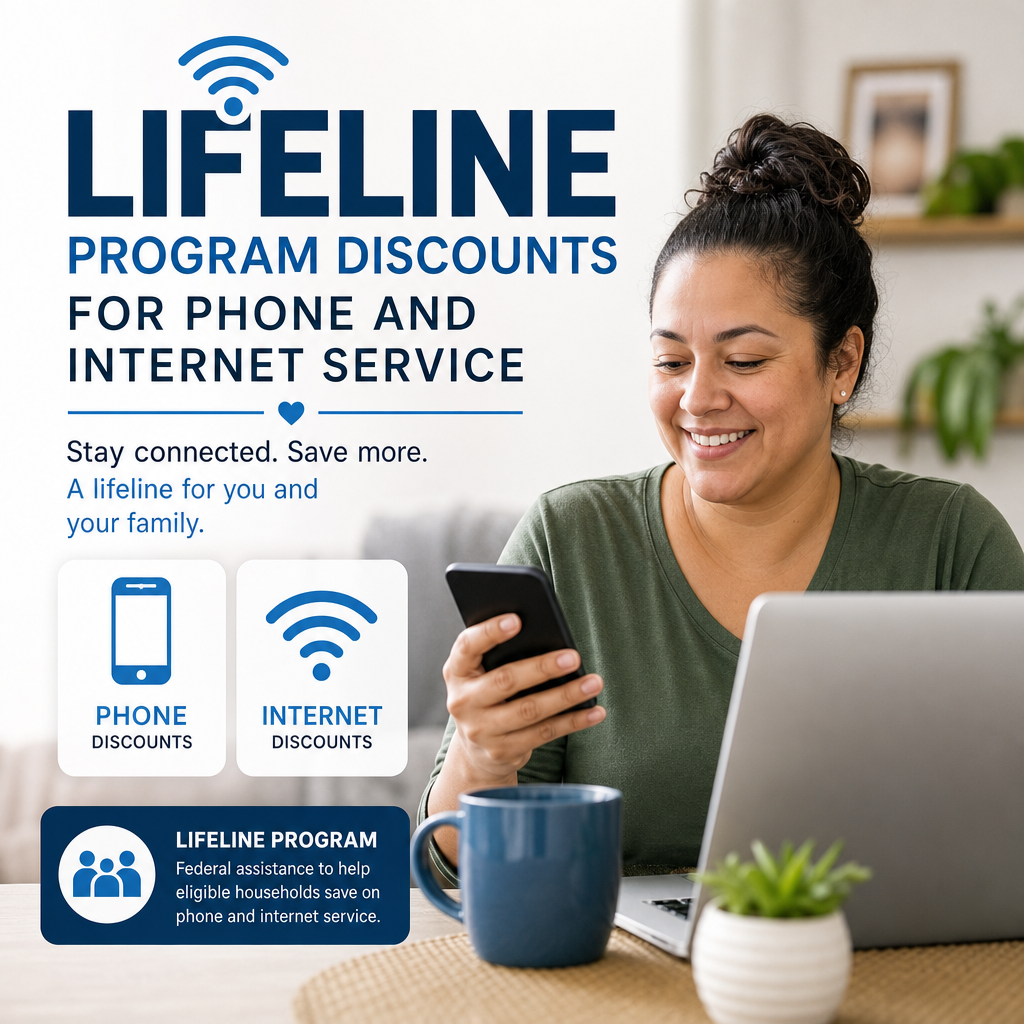
Lifeline Program Discounts for Phone and Internet Service
The Lifeline Program helps eligible households lower the cost of phone or internet service, making it easier to stay connected to work, school, telehealth, and loved ones. If you qualify, this federal benefit can deliver meaningful monthly savings on essential communication services.
By: Emilly Adams on July 24, 2026
The Lifeline Program helps make phone and internet service more affordable for eligible households. For many people, that monthly discount can mean the difference between staying connected and going without essential communication tools. Whether you need service for job searches, school, telehealth, or staying in touch with family, the Lifeline Program can provide meaningful savings on qualifying phone or internet plans.
In today’s world, reliable connectivity is not a luxury. It supports everyday tasks like online banking, remote learning, emergency calls, and access to public services. If you think you may qualify, understanding how the Lifeline Program works is the first step toward lower monthly bills.
What Is the Lifeline Program?
The Lifeline Program is a federal benefit designed to help lower the cost of phone or internet service for eligible consumers. It has been part of the nation’s communications support system for years and is overseen by the Federal Communications Commission (FCC).
The program offers a monthly discount on either:
Phone service
Broadband internet service
A bundled phone and internet plan, depending on the provider and service options
The goal is simple: help households stay connected to opportunities and services that matter.
How the discount works
The discount is applied by participating service providers. You choose a provider that offers Lifeline-supported plans, apply through the program, and if approved, the provider applies the monthly discount to your bill.
Because the benefit is tied to the service, not a cash payment, it shows up as a discount on eligible monthly service charges.
Who Qualifies for the Lifeline Program?
Eligibility for the Lifeline Program is based on household income or participation in certain assistance programs. In many cases, you may qualify through either route.
Income-based eligibility
You may qualify if your household income is at or below 135% of the Federal Poverty Guidelines. These guidelines can change, so it is important to check the current thresholds before applying.
Program-based eligibility
You may also qualify if you or someone in your household participates in certain federal assistance programs, such as:
Supplemental Nutrition Assistance Program (SNAP)
Medicaid
Supplemental Security Income (SSI)
Federal Public Housing Assistance
Veterans Pension and Survivors Benefit
Tribal-specific assistance programs, in some cases
Household rules matter
The Lifeline Program generally allows only one discount per household. A household is usually defined as a group of people who live together and share income and expenses. This rule prevents duplicate benefits at the same address when individuals are part of the same economic unit.
What Services Can You Get Through Lifeline?
The Lifeline Program supports two broad categories of service: phone and broadband internet. The exact options depend on the provider in your area.
Phone service options
Eligible phone service may include:
Mobile phone service
Landline service
Voice-only plans
Plans with limited data or text features, depending on the carrier
Internet service options
Some providers offer Lifeline-supported broadband internet plans. These can be useful if you rely on:
Remote work or job applications
Online classes
Telehealth appointments
Video calls with family members
Government and banking portals
Bundled plans
In some cases, providers may offer bundled service that combines phone and internet. A bundled plan can be convenient if you want a single bill and use both services regularly.
How to Apply for the Lifeline Program
Applying for the Lifeline Program is usually straightforward, but the process may vary slightly depending on how you qualify and which provider you choose.
Step 1: Check your eligibility
Before applying, confirm whether you qualify through income or a program like SNAP or Medicaid. Gathering proof ahead of time can save time later.
Step 2: Find a participating provider
Not every phone or internet company participates in Lifeline. Search for providers in your area that offer Lifeline-supported services. Compare:
Monthly plan costs
Data or talk limits
Coverage quality
Installation or activation fees
Contract requirements, if any
Step 3: Submit your application
You can usually apply through the National Verifier or through a participating provider, depending on your state and situation. You may need to provide:
Proof of identity
Proof of address
Proof of income or program participation
Step 4: Choose your service plan
If approved, you then select a plan from a participating provider. The discount will apply to the eligible monthly service charges.
Step 5: Activate and maintain your benefit
After enrollment, make sure you follow any provider instructions to activate your service. You may also need to recertify periodically to keep the benefit active.
Documents You May Need
When applying for the Lifeline Program, it helps to have the right documents ready. Exact requirements may vary, but common examples include:
Government-issued photo ID
Proof of address, such as a utility bill or lease
Proof of income, such as pay stubs or a tax return
Proof of participation in a qualifying assistance program
Social Security number or tribal identification, if requested
Having clear, up-to-date documents can reduce delays and make the process easier.
Common Mistakes to Avoid
Many applications are delayed because of simple mistakes. To improve your chances of approval, avoid these common issues:
Submitting incomplete documents
If a document is blurry, outdated, or missing key information, the application may be rejected or delayed.
Choosing the wrong household setup
The Lifeline Program uses household-based rules. If more than one person at your address applies separately, make sure the household definition is correct.
Missing recertification notices
Approved customers usually must confirm continued eligibility from time to time. If you ignore notices, you could lose your discount.
Assuming all providers offer the same plan
Lifeline benefits are not identical across carriers. Some providers may offer better coverage, better data allowances, or lower add-on costs.
Not checking for extra fees
The discount reduces your service cost, but it may not eliminate installation, device, or premium feature charges. Read the plan details carefully.
How to Get the Most Value from Lifeline
A Lifeline discount is helpful, but choosing the right plan makes the benefit go further.
Compare providers, not just discounts
Look beyond the headline price. Consider:
Network quality in your area
Data caps
Unlimited talk and text options
Customer service reputation
Device compatibility
Contract terms
Match the plan to your actual needs
A student who attends virtual classes may need more data than someone who only uses email and text. A senior who mainly makes calls may prefer a voice-focused plan.
Ask about equipment and activation
Some providers charge for SIM cards, devices, or activation. These costs may be separate from the monthly service price.
Use the benefit consistently
If you qualify, use the service regularly and stay current with any recertification requirements. That helps keep your connection active when you need it most.
Lifeline and Other Assistance Programs
The Lifeline Program is part of a broader set of support options that can help lower communication costs.
Lifeline vs. ACP
The Affordable Connectivity Program (ACP) was a separate federal broadband benefit, but it is not the same as Lifeline. Since program availability can change over time, always verify current federal support programs through official sources before applying.
State and local options
Some states, municipalities, nonprofits, and providers offer additional assistance for:
Low-cost internet
Refurbished devices
Digital literacy training
Payment plans for qualifying households
Combining resources can make internet access even more affordable.
Why the Lifeline Program Matters
Reliable phone and internet service affects nearly every part of daily life. The Lifeline Program can help reduce barriers for households that may otherwise struggle to stay connected.
Practical benefits include:
Access to emergency services
Better job search opportunities
Easier communication with schools
More consistent telehealth access
Improved connection with family and community resources
For people on a tight budget, even a modest monthly discount can free up money for food, transportation, or other essentials.
Tips for Staying Eligible
Once approved, keep your benefit in good standing by following these best practices:
Use the service regularly
Some providers may require proof of ongoing use.
Keep your contact information updated
Make sure the program can reach you about verification or recertification.
Report household changes
If your address, income, or participation in qualifying programs changes, update your records.
Respond to renewal notices
Recertification is important to avoid losing your discount.
Save your paperwork
Keep copies of applications, approval notices, and provider messages.
Frequently Asked Questions
1. Can I get both phone and internet discounts through the Lifeline Program?
In many cases, the Lifeline Program supports either phone or internet service, and some providers may offer bundled options. However, the benefit is generally limited to one Lifeline discount per household, so you should review provider offerings carefully to see what is available in your area.
2. How much is the Lifeline discount?
The Lifeline discount amount is set by the program and may be adjusted by the FCC. The discount is applied to eligible monthly service charges, but the final savings depend on the provider and plan you choose. Always confirm current benefit details through official sources before enrolling.
3. Can I switch providers after enrolling in Lifeline?
Yes, you can usually change to another participating provider if you find better coverage, lower costs, or a plan that fits your needs better. Before switching, make sure the new provider supports Lifeline and confirm how the transfer will affect your service.
4. What happens if I no longer qualify?
If your income rises or you stop participating in a qualifying assistance program, you may no longer be eligible for the Lifeline Program. In that case, you should notify the program or your provider as required. Continuing to use the benefit without eligibility could create problems later.
5. Is Lifeline available in every state?
The Lifeline Program is a federal program, but provider participation and enrollment steps can vary by state. Most states have Lifeline availability, though the exact plans and application process may differ. Check official federal resources and local providers for current details.
The Lifeline Program remains an important tool for helping eligible households afford essential communication services. If you qualify, the monthly discount can reduce the cost of phone or internet service and make it easier to stay connected to work, school, healthcare, and family. The key is to understand the eligibility rules, gather the right documents, and compare participating providers before you enroll.
A little preparation can make the application process smoother and help you choose a plan that fits your real needs. Whether you need dependable calling, broadband for online access, or a bundled service option, Lifeline can be a practical step toward more affordable connectivity. If staying connected matters to your household, it is worth checking your eligibility and exploring your options today.
Emily A, holds a Master's degree in Public Administration (MPA) and has over 7 years of experience researching federal and state assistance programs. She writes educational content focused on government benefits, public policy, and community resources, using information from official agencies to help readers understand available programs and eligibility requirements.