Rare Earth Minerals and the Technology Supply Chain Race
Rare earth minerals power everything from electric vehicles to defense systems, making them essential to today’s technology supply chains. As demand rises, securing reliable access has become a global race with major economic and strategic stakes.
By: Peter B on July 24, 2026
Rare earth minerals sit at the center of modern technology supply chains, even though most people rarely think about them. These elements help power electric vehicles, wind turbines, smartphones, defense systems, and countless other products that define daily life and national competitiveness. As demand grows, the race to secure reliable access to rare earth minerals has become one of the most important industrial and geopolitical challenges of our time.
This race is not just about mining more material. It is about building resilient technology supply chains from extraction to processing to manufacturing. It is also about reducing dependence on single-country sources, improving recycling, and making sure critical industries can keep moving when markets shift or tensions rise.
Why Rare Earth Minerals Matter More Than Ever
Rare earth minerals are a group of 17 elements with unique magnetic, luminescent, and electrochemical properties. Despite the name, they are not always rare in the earth’s crust. What is rare is the ability to extract, refine, and process them economically and at scale.
These materials are essential in many technologies, including:
Permanent magnets used in electric vehicle motors and wind turbines
Smartphones, laptops, and flat-screen displays
Medical imaging and precision equipment
Military guidance systems and advanced communications
Clean energy infrastructure and industrial automation
Because so many industries depend on them, rare earth minerals have become strategic assets. Countries and companies that can secure stable access gain an advantage in innovation, manufacturing, and long-term planning.
Rare Earth Minerals and the Global Technology Supply Chain
The modern technology supply chain is highly interconnected. A single product may rely on minerals mined in one country, refined in another, assembled somewhere else, and sold around the world. Rare earth minerals are one of the most sensitive links in that chain.
From Mine to Magnet
The path from raw ore to finished component is complex:
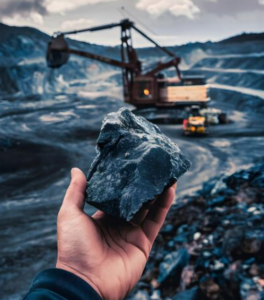
Mining removes ore from the ground.
Separation and processing isolate individual rare earth elements.
Refining converts materials into usable forms.
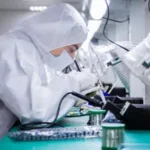
Manufacturing turns them into magnets, alloys, phosphors, and other components.
Assembly integrates those parts into finished products.
The challenge is that mining and processing are not equally distributed. A country may have mineral deposits but still depend on other nations for refining or magnet production. That means control over supply chains often depends more on processing capacity than on mining alone.
Concentration Creates Risk
One of the biggest concerns in the race for technology supply chains is concentration. When a small number of countries dominate processing or manufacturing, the entire global market becomes vulnerable to disruption.
Those risks can include:
Export restrictions
Trade disputes
Shipping delays
Environmental shutdowns
Labor shortages
Geopolitical conflict
For businesses, that means price volatility and supply uncertainty. For governments, it means national security and industrial policy concerns. For consumers, it can mean higher costs or slower access to new technologies.
The Strategic Importance of Rare Earth Minerals
Rare earth minerals are more than raw inputs. They are strategic materials tied to energy transition, digital infrastructure, and defense readiness.
Clean Energy Depends on Them
The push toward electrification has increased demand for materials used in high-performance magnets. Electric vehicle motors and wind turbines often rely on rare earth elements like neodymium and dysprosium for efficiency and durability.
As countries invest in renewable energy and transportation electrification, the pressure on technology supply chains will continue to rise. That makes access to rare earth minerals a key part of climate and energy planning.
Defense and National Security
Defense systems often require specialized components that depend on rare earth materials. These can include precision guidance tools, radar systems, secure communications, and advanced sensors. In these cases, supply reliability matters as much as cost.
Governments increasingly view rare earth minerals as part of broader industrial resilience. If access is interrupted, the impact can extend far beyond one company or sector.
Why Technology Supply Chains Are Under Pressure
Several trends are making technology supply chains more fragile and more important at the same time.
Growing Demand for Advanced Electronics
Consumer electronics, cloud infrastructure, and artificial intelligence all rely on advanced chips, sensors, and magnets. Even when rare earth minerals are not visible in a final product, they may still be essential to its performance.
The Push for Electrification
Electric vehicles and renewable power systems are scaling rapidly. That growth increases demand for minerals and components that are already under pressure from limited processing capacity.
Environmental and Regulatory Scrutiny
Mining and refining rare earth minerals can have significant environmental impacts if not managed responsibly. Waste handling, water use, and chemical processing all require careful oversight. As a result, building new supply chain capacity often takes time because projects must meet regulatory and community expectations.
Limited Processing Capacity
Many countries want more domestic access to rare earth minerals, but processing is harder to scale than mining. Building a secure technology supply chain requires investment in:
Separation plants
Refining facilities
Metallurgy expertise
Magnet manufacturing
Quality assurance systems
Without these steps, raw materials may still have to leave the country before they can be used in high-value manufacturing.
What Countries and Companies Are Doing
The race for technology supply chains has prompted governments and private industry to rethink sourcing, manufacturing, and resilience.
Diversifying Supply Sources
A major strategy is diversification. Rather than relying on a single supplier or region, companies are seeking multiple sources for critical minerals and components. This can reduce risk, even if it does not eliminate it.
Diversification efforts may include:
Developing new mines in stable jurisdictions
Expanding processing capacity in allied countries
Creating long-term purchasing agreements
Stockpiling strategic materials
Building supplier audits and traceability systems
Investing in Domestic Processing
Several countries are funding domestic processing and magnet manufacturing to capture more value locally. This is important because raw ore alone does not solve supply chain vulnerability. A true technology supply chain needs the ability to process materials into usable industrial inputs.
Improving Recycling and Circular Economy Systems
Recycling rare earth minerals from end-of-life electronics, motors, and industrial equipment is gaining attention. While recycling is not yet enough to replace primary mining, it can help reduce waste and improve long-term resilience.
Useful recycling strategies include:
Recovering magnets from used devices
Designing products for easier disassembly
Expanding e-waste collection systems
Supporting material recovery research
This circular approach can lower pressure on mining while helping industries secure more stable access to critical materials.
Key Challenges in Building Resilient Supply Chains
Even with strong policy interest, there are still serious barriers to solving rare earth mineral dependence.
Environmental Impact
Mining and refining must be done responsibly. Communities often worry about land disruption, chemical exposure, water contamination, and long-term cleanup. Projects that ignore these concerns may face delays or public opposition.
Technical Complexity
Rare earth processing involves specialized chemistry and engineering. It is not enough to discover a deposit; companies must have the expertise to separate elements cleanly and economically. That technical barrier is one reason supply chains have remained concentrated.
Cost Competitiveness
Building secure supply chains can cost more in the short term than relying on established overseas suppliers. Companies must balance resilience with price sensitivity, which can be difficult in highly competitive markets.
Long Lead Times
New mines, refineries, and magnet plants often take years to plan, permit, finance, and build. That means governments and businesses must think long term, not just react to immediate shortages.
How Businesses Can Prepare
Companies that depend on rare earth minerals should not wait for disruption before acting. A proactive supply chain strategy can improve stability and competitiveness.
Practical Steps for Risk Reduction
Map material dependence
Identify which products use rare earth minerals and where they enter the supply chain.
Assess supplier concentration
Understand where sourcing, processing, and manufacturing are most vulnerable.
Build secondary supplier options
Qualify alternative vendors in different regions whenever possible.
Increase inventory planning
Maintain strategic buffers for critical components with long lead times.
Support redesign efforts
Work with engineers to reduce material intensity or substitute when feasible.
Track policy and trade developments
Stay informed about export controls, tariffs, incentives, and environmental regulations.
Invest in traceability
Improve visibility into origin, processing, and compliance across the chain.
These steps do not remove risk entirely, but they can make a company more adaptable when conditions change.
The Future of Rare Earth Minerals and Technology Supply Chains
The race for technology supply chains is likely to intensify. More electrification, more digital infrastructure, and more strategic competition will keep rare earth minerals in the spotlight.
Expect More Regionalization
Many countries want supply chains that are closer to home or within trusted alliances. This does not mean global trade will disappear, but it does suggest a shift toward more regional manufacturing networks.
Innovation Will Matter
New separation technologies, more efficient magnet designs, better recycling methods, and alternative materials could reshape the landscape. Innovation may reduce some pressure on scarce materials, but it will not remove the need for them entirely.
Transparency Will Become a Competitive Advantage
Customers, regulators, and investors increasingly want to know where critical materials come from and how they are processed. Companies that can show responsible sourcing and supply chain resilience will likely have an edge.
Frequently Asked Questions
What are rare earth minerals used for?
Rare earth minerals are used in high-performance magnets, electronics, renewable energy systems, medical devices, and defense technologies. They are especially important in products that need strong magnetic performance, precision, or miniaturization.
Why are rare earth minerals important to technology supply chains?
They are critical inputs for components used across modern technology. Because mining, refining, and manufacturing are often concentrated in a few places, rare earth minerals can create supply chain bottlenecks if access is disrupted.
Are rare earth minerals actually rare?
Not necessarily. Some are relatively abundant in the earth’s crust. The challenge is that they are usually dispersed, difficult to extract, and costly to process into usable forms.
Can rare earth minerals be recycled?
Yes, but recycling is still developing and does not fully meet global demand. It can help recover valuable materials from electronics, motors, and industrial equipment, making supply chains more resilient over time.
How can businesses reduce rare earth supply chain risks?
Businesses can diversify suppliers, improve traceability, stock critical materials, redesign products to use fewer scarce inputs, and monitor policy changes that affect trade and sourcing.
Rare earth minerals have moved from a niche materials issue to a central concern in the race for technology supply chains. They influence everything from electric vehicles and wind turbines to communications systems and defense equipment. Because extraction, processing, and manufacturing are concentrated in a limited number of places, the world faces real exposure to disruptions, price swings, and strategic competition.
The good news is that solutions are already emerging. Countries are investing in domestic processing, companies are diversifying suppliers, and recycling is beginning to play a larger role. But building a resilient technology supply chain takes time, capital, and coordination. It requires not only mining more responsibly, but also improving refining, manufacturing, traceability, and circular economy practices.
For businesses, the message is clear: treat rare earth minerals as a strategic supply chain issue, not just a procurement detail. For policymakers, the priority is long-term resilience. And for consumers, understanding these materials helps explain why the products we rely on are shaped by forces far beyond the factory floor.
Continued investment, better planning, and smarter sourcing will determine who leads the next generation of technology—and who gets left vulnerable when supply chains tighten.
Peter B holds a degree in Journalism and has 5 years
of experience covering U.S. economic policy, labor markets, and
financial news. He writes data-driven news content on topics
like inflation, interest rates, and employment trends.