How Wildfire Smoke Crosses Borders and Impacts Public Health
Wildfire smoke can travel far beyond the fire itself, crossing borders and turning a distant blaze into a real public health concern. Here’s how it moves, why it lingers, and what that means for the people breathing it in.
By: Peter B on July 24, 2026
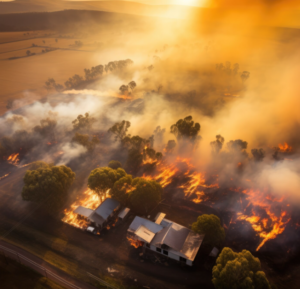
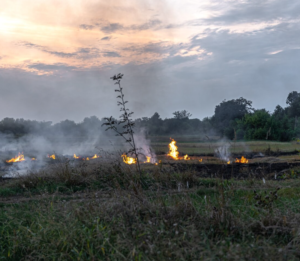
Wildfire smoke does not stay where a fire starts. It can travel hundreds or even thousands of miles, moving across state lines, national borders, and entire regions. That’s why a wildfire burning in one place can quickly become a public health issue in another. As wildfire seasons grow longer and more intense in many parts of the world, understanding how wildfire smoke crosses borders and affects public health has become more important than ever.
Smoke from wildfires is more than a nuisance. It contains fine particles and harmful gases that can worsen breathing problems, irritate the eyes and throat, and increase the risk of serious health complications for vulnerable groups. Communities far from the flames may still face smoky skies, poor air quality, and disrupted daily life.
In this article, we’ll explain how wildfire smoke moves, why it travels so far, and what its health effects mean for families, schools, workplaces, and public health systems.
How Wildfire Smoke Crosses Borders and Travels Long Distances
Wildfire smoke crosses borders because the atmosphere doesn’t follow political boundaries. Once smoke rises into the air, weather patterns can carry it wherever winds move.
The role of wind and weather systems
Wind is the main driver of smoke transport. Strong winds can push smoke across neighboring counties, states, provinces, and countries. If smoke reaches higher layers of the atmosphere, it can remain suspended longer and travel even farther.
Several weather conditions influence smoke movement:
Wind speed and direction determine where smoke goes
Temperature inversions can trap smoke near the ground
Dry air can allow smoke particles to stay airborne longer
Storm systems can shift smoke plumes over large areas
A wildfire near the U.S.-Canada border, for example, may affect communities on both sides depending on prevailing winds. In the same way, fires in one region can create hazy skies and unhealthy air hundreds of miles away.
Fine particles are the main concern
The biggest health threat from wildfire smoke is PM2.5, a type of fine particulate matter smaller than 2.5 microns. These tiny particles are small enough to enter deep into the lungs and, in some cases, contribute to effects beyond the respiratory system.
Wildfire smoke can also contain:
Carbon monoxide
Volatile organic compounds
Nitrogen oxides
Irritating gases and chemicals from burned materials
Because these pollutants can drift widely, people who are not anywhere near the fire may still breathe unhealthy air.
Why smoke can spread across borders so easily
Wildfires often burn in remote or forested areas, but smoke plumes rise high into the atmosphere where they are carried by regional and global air currents. This makes wildfire smoke a shared problem for nearby jurisdictions.
Cross-border smoke movement is especially common when:
Fires burn for days or weeks
Multiple fires are active at once
Strong seasonal winds blow in the same direction
Dry, hot conditions promote large smoke plumes
This is why public health agencies may issue air quality alerts even when the nearest fire is far away.
Why Wildfire Smoke Is a Public Health Issue
Wildfire smoke affects public health because it changes the air people breathe. Even short-term exposure can cause symptoms, and repeated or prolonged exposure can create greater risks.
Short-term health effects
When smoke levels rise, many people notice symptoms quickly. These can include:
Coughing
Shortness of breath
Burning eyes
Sore throat
Headaches
Chest tightness
Fatigue
Healthy adults may recover once the smoke clears, but some people feel the effects much more strongly.
Long-term and repeated exposure concerns
When smoke events happen often, public health concerns increase. Repeated exposure to fine particles can put stress on the lungs and heart over time. While the exact long-term impact depends on exposure length and individual health, frequent smoke episodes can make it harder for communities to stay healthy, especially during long wildfire seasons.
Public health officials pay close attention to wildfire smoke because it can:
Increase emergency room visits
Worsen chronic respiratory disease
Strain health care systems
Reduce outdoor activity and physical work
Disrupt schools, childcare, and community events
Who Is Most at Risk from Wildfire Smoke?
Some people are more vulnerable to wildfire smoke than others. That doesn’t mean smoke is harmless for everyone else, but certain groups are more likely to experience serious effects.
Children
Children breathe more air relative to their body size and often spend time playing outside. Their lungs are still developing, which makes them more sensitive to smoke exposure.
Older adults
Older adults may have weaker lung or heart function and are more likely to live with chronic illnesses. Smoke can make those conditions worse.
People with asthma, COPD, or heart disease
People with existing respiratory or cardiovascular disease are at higher risk of flare-ups, breathing difficulty, and complications during smoke events.
Pregnant people
Pregnant people may need extra caution during periods of poor air quality. Smoke exposure can be especially concerning because it affects both the parent and developing baby.
Outdoor workers
Farmworkers, construction crews, delivery drivers, firefighters, and others who work outside often have more direct and prolonged exposure. Protective steps are especially important in these occupations.
Communities with limited resources
Not everyone has access to air conditioning, high-quality filters, or health care. Communities with fewer resources may face a heavier burden during smoke emergencies, making wildfire smoke a public health equity issue as well.
How Public Health Agencies Respond to Cross-Border Smoke Events
When wildfire smoke crosses borders, local and national agencies often coordinate their response. Public health communication becomes critical because people need clear guidance fast.
Air quality monitoring and alerts
Air quality agencies track PM2.5 and other pollutants using ground monitors, satellites, and forecasting tools. When conditions worsen, they may issue alerts or health advisories.
These alerts help people decide when to:
Stay indoors
Wear a well-fitting respirator
Limit outdoor exercise
Use air filters or clean rooms
Check on vulnerable neighbors
Public guidance during smoke episodes
Health agencies often recommend practical steps such as:
Closing windows and doors
Using portable HEPA air cleaners
Running HVAC systems with proper filtration
Avoiding activities that add indoor pollution, like smoking or burning candles
Limiting outdoor exertion when air quality is poor
This guidance matters because indoor air can sometimes be safer than outdoor air during smoke events, if buildings are properly sealed and filtered.
Cross-border coordination
Because smoke doesn’t respect borders, agencies may share forecasts, health messaging, and air quality data across states, provinces, or countries. This coordination helps communities prepare earlier and respond more effectively.
Cross-border response may include:
Shared air quality alerts
Regional emergency planning
Joint public information campaigns
Health care system preparedness
Support for schools and employers
How Wildfire Smoke Affects Daily Life
The health effects of wildfire smoke are serious, but the impact goes beyond symptoms. Smoke can affect routines, work, learning, and mental well-being.
Schools and childcare
During heavy smoke days, schools may cancel recess, sports, and outdoor activities. Some close entirely if indoor conditions are difficult to maintain. Families with children in childcare also need guidance on safe indoor environments.
Workplaces and outdoor labor
Outdoor workers may need modified schedules, more breaks, and respirators when appropriate. Employers should take smoke exposure seriously, especially during prolonged events.
Transportation and visibility
Smoke can reduce visibility, making driving and air travel more difficult. Poor visibility also contributes to stress and disruptions in regional travel.
Mental and emotional stress
Frequent smoke events can leave people feeling anxious, trapped indoors, or frustrated by the uncertainty. For communities already dealing with wildfire evacuations or property loss, smoke can add another layer of trauma.
Practical Ways to Protect Health During Smoke Events
People can lower their exposure during wildfire smoke episodes with a few simple steps. The best response depends on the smoke level, the building, and personal health needs.
Reduce exposure indoors
If smoke is affecting your area:
Keep windows and doors closed
Use a HEPA air purifier if possible
Set HVAC systems to recirculate indoor air
Replace filters as recommended
Create a “clean room” in the home with the best available filtration
Limit outdoor activity
On smoky days, try to:
Avoid strenuous outdoor exercise
Reschedule yard work or outdoor errands
Keep children indoors when air quality is poor
Take breaks if you must be outside
Use respiratory protection correctly
A well-fitting N95 or similar respirator can help reduce exposure to fine particles when outdoor activity cannot be avoided. Loose cloth masks do not provide the same level of protection against wildfire smoke.
Watch for warning signs
Seek medical care if smoke exposure causes:
Severe shortness of breath
Chest pain
Wheezing that does not improve
Dizziness
Confusion
Symptoms that worsen quickly
People with asthma or other chronic conditions should follow their action plans and keep medications accessible.
Because wildfire smoke crosses borders, public health planning must do the same. Local emergency response is important, but it is not enough on its own.
Better forecasting and communication
Communities benefit when smoke forecasts are accurate and easy to understand. Clear communication helps people prepare before conditions worsen.
Stronger building standards
Better filtration, ventilation, and smoke-ready building design can protect more people indoors. Schools, hospitals, senior centers, and workplaces should especially consider these upgrades.
Public health preparedness
Health departments can reduce harm by planning for smoke events the same way they plan for heat waves or storms. That includes:
Training staff
Creating alert systems
Supporting vulnerable populations
Coordinating with schools and employers
Community resilience
Long-term resilience also depends on prevention efforts such as forest management, fire risk reduction, and land-use planning. While no single solution can stop wildfire smoke from crossing borders, communities can reduce harm by preparing together.
Frequently Asked Questions
1. How far can wildfire smoke travel?
Wildfire smoke can travel very far, depending on wind patterns, fire size, and atmospheric conditions. In some cases, it affects communities hundreds or even thousands of miles away from the fire source.
2. Why does wildfire smoke sometimes make the sky look orange or hazy far from the fire?
Smoke particles scatter sunlight, which can change the color and clarity of the sky. When enough fine particles are present, the air may look hazy, and the sun can appear red, orange, or dimmer than usual.
3. Is wildfire smoke worse for people with asthma?
Yes. People with asthma are especially sensitive to wildfire smoke because fine particles and irritant gases can trigger symptoms like coughing, wheezing, chest tightness, and difficulty breathing.
4. Can staying indoors completely protect you from wildfire smoke?
Not always, but staying indoors can reduce exposure if the building is sealed well and filtered air is used. A home or workplace with good filtration and closed windows is usually safer than being outdoors during heavy smoke.
5. What should I do if my area gets a smoke alert?
Check your local air quality information, stay indoors when possible, close windows, use filtration if available, and limit strenuous outdoor activity. If you have a health condition, follow your doctor’s advice and keep medications on hand.
Wildfire smoke is no longer just a local hazard near active fires. It is a cross-border public health issue that can affect people far from the flames, especially when winds, weather patterns, and prolonged fire seasons carry smoke into new regions. The fine particles and gases in smoke can irritate the lungs, worsen chronic conditions, and disrupt everyday life for children, older adults, outdoor workers, and anyone with respiratory or heart disease.
The good news is that people and communities can reduce harm with preparation. Monitoring air quality, improving indoor filtration, understanding who is most at risk, and following public health guidance can make a real difference during smoke events. Long-term resilience also depends on better coordination across borders, stronger public health planning, and smarter building practices.
If wildfire smoke is becoming part of life where you live, now is the time to learn your local air quality tools, prepare your home, and make a plan for vulnerable family members. Staying informed today can help protect health tomorrow.
Peter B holds a degree in Journalism and has 5 years
of experience covering U.S. economic policy, labor markets, and
financial news. He writes data-driven news content on topics
like inflation, interest rates, and employment trends.