Sustainable Development Goals Report 2026: Global Progress Status
The Sustainable Development Goals Report 2026 shows a mixed global picture: while some areas are advancing, many others still face major setbacks from conflict, climate change, and inequality. This report highlights where progress is real, where it is stalling, and why faster coordinated action is now essential.
By: Peter B on July 24, 2026
The Sustainable Development Goals Report 2026 arrives at a critical moment. With less than a decade left to reach the 2030 deadline, the world is still making progress on some goals while falling short on many others. This year’s broader picture is not simply one of failure or success. Instead, it shows uneven advancement, persistent inequalities, and a growing need for faster, better coordinated action.
The Sustainable Development Goals, or SDGs, were designed to create a shared global blueprint for ending poverty, protecting the planet, and improving peace and prosperity for all. But the Sustainable Development Goals Report 2026 makes one thing clear: progress is not guaranteed. In some areas, countries and communities have shown real momentum. In others, conflict, climate impacts, debt pressure, weak institutions, and rising costs of living have slowed or reversed gains.
Understanding where global progress stands matters because the SDGs are interconnected. Setbacks in health can affect education. Climate shocks can worsen hunger. Poor access to clean energy can slow economic opportunity. This report offers a useful lens for seeing how these issues overlap and where urgent attention is needed.
What the Sustainable Development Goals Report 2026 Tells Us
The Sustainable Development Goals Report 2026 is best read as a progress check, not a scorecard with simple pass-or-fail answers. It shows that some goals are moving forward, but not fast enough to meet the 2030 target at the current pace.
A mixed global picture
Across the world, countries continue to invest in renewable energy, digital services, public health systems, and social protection. At the same time, major barriers remain:
Conflict and political instability are disrupting development gains
Climate change is increasing the frequency and severity of disasters
Food insecurity remains a serious challenge in many regions
Debt burdens limit public investment in essential services
Inequality continues to shape who benefits from growth and who is left behind
The report underscores that progress is not uniform. Some countries are advancing well on specific indicators, while others face structural constraints that make progress much harder.
Why the report matters now
The SDGs were never meant to be a wish list. They are a practical framework for policy, investment, and accountability. The 2026 report matters because it helps governments, businesses, nonprofits, and communities identify what is working and where action is lagging.
It also reminds readers that the remaining years to 2030 are not enough for slow, isolated efforts. Coordinated action is essential.
Where Global Progress Stands on the Sustainable Development Goals
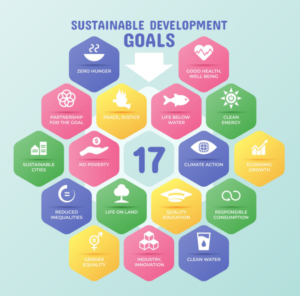
The Sustainable Development Goals Report 2026 highlights how uneven progress has become across the 17 goals. Some goals have seen sustained improvement, while others require immediate acceleration.
SDG 1: No Poverty
Poverty reduction remains one of the toughest challenges. Economic shocks, inflation, conflict, and climate-related disruptions have pushed more people into vulnerability. Social protection programs have helped in many places, but many households still face unstable income, high food prices, and limited access to safety nets.
SDG 2: Zero Hunger
Food security continues to be under pressure. Drought, conflict, supply chain disruptions, and rising costs have made it harder for families to access nutritious food. The report points to a need for stronger agricultural resilience, better nutrition programs, and support for smallholder farmers.
SDG 3: Good Health and Well-Being
Health systems have improved in many countries, but gaps remain in maternal health, infectious disease control, mental health services, and universal health coverage. The pandemic’s long shadow is still visible in strained health systems and delayed care.
SDG 4: Quality Education
Education recovery has been uneven. Many children and young people are back in classrooms, but learning loss, teacher shortages, and digital divides still affect outcomes. The report highlights the importance of foundational learning, school safety, and inclusive access.
SDG 5: Gender Equality
Gender equality remains a central challenge. Progress has been made in legal reforms, political representation, and access to services, but violence against women, unpaid care burdens, wage gaps, and limited leadership opportunities continue to hold back results.
SDG 6: Clean Water and Sanitation
Access to safe water and sanitation is improving, yet billions of people still lack reliable services. Water stress, aging infrastructure, and climate variability are creating new risks. The report emphasizes that water security is becoming a development and resilience issue, not just a service issue.
SDG 7: Affordable and Clean Energy
This is one of the more encouraging areas. Renewable energy deployment continues to expand in many regions, and energy access has improved in parts of the developing world. Still, affordability and grid reliability remain major concerns, especially for low-income households and remote communities.
SDG 8: Decent Work and Economic Growth
Job creation has not kept pace with labor force growth in many economies. Informal work remains widespread, especially in low- and middle-income countries. The report stresses the need for decent work, skills development, and more inclusive economic policies.
SDG 9: Industry, Innovation and Infrastructure
Infrastructure investment and digital connectivity are helping some countries modernize. However, innovation remains uneven, and many communities still lack reliable transport, broadband, and resilient infrastructure. Sustainable industrial development depends on long-term financing and policy stability.
SDG 10: Reduced Inequalities
Inequality continues to shape the global development landscape. Income gaps, gender disparities, disability barriers, and differences in access to services all influence outcomes. The report shows that progress on the SDGs will remain limited unless inequality is addressed directly.
SDG 11: Sustainable Cities and Communities
Cities remain central to the SDG agenda. Urban areas generate economic opportunity, but they also face housing shortages, pollution, congestion, and climate risks. More cities are adopting resilience and sustainability plans, but implementation often lags behind ambition.
SDG 12: Responsible Consumption and Production
This goal remains difficult because it requires behavior change across entire supply chains. Waste reduction, circular economy practices, and cleaner production methods are growing, but not quickly enough. Consumer awareness alone is not enough without stronger business and policy action.
SDG 13: Climate Action
The climate crisis is one of the most pressing threats to the entire SDG framework. The report reinforces that mitigation and adaptation must move together. Countries need faster emissions cuts, more climate finance, and stronger protection for vulnerable communities.
SDG 14 and SDG 15: Life Below Water and Life on Land
Biodiversity loss, deforestation, overfishing, and ecosystem degradation remain major concerns. The report shows that environmental protection is not separate from development. Healthy ecosystems support food systems, jobs, water security, and disaster resilience.
SDG 16: Peace, Justice and Strong Institutions
Conflict, weak governance, and insecurity are major obstacles to sustainable development. Where institutions are fragile, every other goal becomes harder to achieve. The report highlights the need for justice systems, civic trust, anti-corruption efforts, and inclusive governance.
SDG 17: Partnerships for the Goals
Partnerships remain essential. Financing gaps, technology transfer, trade barriers, and fragmented policy responses all slow progress. The report makes clear that international cooperation is not optional if the SDGs are to remain achievable.
Key Themes Shaping the Sustainable Development Goals Report 2026
Beyond individual goals, several themes define the Sustainable Development Goals Report 2026.
1. Progress is fragile
Many advances can be reversed quickly by conflict, inflation, climate events, or political instability. That means resilience must be built into development planning from the start.
2. Inequality is slowing progress
The people most affected by poverty, displacement, disability, discrimination, and climate vulnerability often have the least access to services. Without targeted action, averages can hide serious gaps.
3. Climate and development are inseparable
The old idea that environmental protection competes with economic development no longer holds. Climate action now supports food security, health, infrastructure, and long-term growth.
4. Financing remains a major barrier
Many countries know what needs to be done. The problem is often access to affordable financing, debt flexibility, and predictable funding for public services and climate adaptation.
5. Data matters
The report also reinforces the importance of timely, accurate data. Without reliable measurement, policymakers cannot track progress, compare outcomes, or target support effectively.
What Governments, Businesses, and Communities Can Do
The SDGs are often discussed at the global level, but progress depends on action at every level.
For governments
Governments can accelerate progress by:
Prioritizing essential services such as health, education, and water
Expanding social protection and food security programs
Investing in climate adaptation and disaster resilience
Improving tax fairness and public finance systems
Strengthening institutions and reducing corruption
For businesses
Businesses have an important role in:
Cutting emissions and improving energy efficiency
Building fair, transparent supply chains
Supporting decent work and workplace inclusion
Investing in innovation that serves long-term sustainability
Reporting environmental and social impacts clearly
For communities and civil society
Local organizations can:
Advocate for vulnerable groups
Deliver services and raise awareness
Support education, health, and environmental initiatives
Help monitor local progress
Build partnerships across sectors
Practical Examples of SDG-Aligned Action
The SDGs can sometimes feel abstract, but they become more tangible when translated into everyday action.
Example 1: A city improving public transit
A city that expands reliable buses, bike lanes, and walkable streets supports SDG 11 while also reducing emissions under SDG 13.
Example 2: A school integrating nutrition and learning
A school meal program can improve attendance, health, and learning outcomes at the same time, linking SDG 2 and SDG 4.
Example 3: A small business adopting cleaner production
A manufacturer that reduces waste and energy use supports SDG 12 while lowering operating costs.
Example 4: A rural water project
Improving wells, sanitation, and water storage can advance SDG 6, reduce disease, and support school attendance and productivity.
What the Sustainable Development Goals Report 2026 Means for the Future
The biggest message from the Sustainable Development Goals Report 2026 is that the world still has a chance to make meaningful progress, but only if action becomes more urgent and more coordinated. The report is not a reason for resignation. It is a call to focus.
That means:
Investing in the people and systems that carry development forward
Addressing the root causes of inequality and fragility
Pairing climate action with social and economic resilience
Closing finance gaps with smarter global cooperation
Using data and accountability to guide decisions
The SDGs remain a powerful framework because they connect prosperity, equity, and sustainability. The challenge now is implementation at scale.
Frequently Asked Questions
What is the Sustainable Development Goals Report 2026?
The Sustainable Development Goals Report 2026 is a global progress update that reviews how the world is doing on the 17 SDGs. It looks at trends in poverty, health, education, climate action, equality, and other development priorities.
Why is the SDG report important?
It helps governments, organizations, and communities understand where progress is strong and where urgent action is needed. The report also supports accountability by showing whether the world is on track for the 2030 goals.
Are any SDGs on track to be met by 2030?
Some goals and indicators are moving in the right direction in certain regions, especially around renewable energy and specific service improvements. However, many goals are not advancing fast enough globally to meet the 2030 deadline without major acceleration.
What slows progress on the SDGs the most?
Common obstacles include conflict, climate change, weak institutions, inequality, debt pressure, and lack of financing. These challenges often overlap and make it harder for countries to sustain progress.
How can individuals support the SDGs?
Individuals can support the SDGs by reducing waste, conserving energy, voting and advocating for responsible policies, supporting local organizations, and making informed consumer choices. Small actions matter most when they are connected to broader community efforts.
The Sustainable Development Goals Report 2026 shows a world that is capable of progress, but not yet moving quickly or evenly enough. Some areas, such as clean energy and select infrastructure gains, offer reasons for hope. Others, including poverty reduction, food security, climate resilience, and inequality, remain deeply challenging. The core lesson is that the SDGs are still relevant, but they now demand sharper focus, stronger partnerships, and better implementation.
If the next few years are used wisely, the world can still protect gains, reduce harm, and build momentum toward 2030. That will require more than aspiration. It will require investment, accountability, and commitment from governments, businesses, and communities alike. The report is not just a reflection of where we stand today. It is also a roadmap for what must happen next. Understanding it is the first step. Acting on it is what will matter most.
Peter B holds a degree in Journalism and has 5 years
of experience covering U.S. economic policy, labor markets, and
financial news. He writes data-driven news content on topics
like inflation, interest rates, and employment trends.