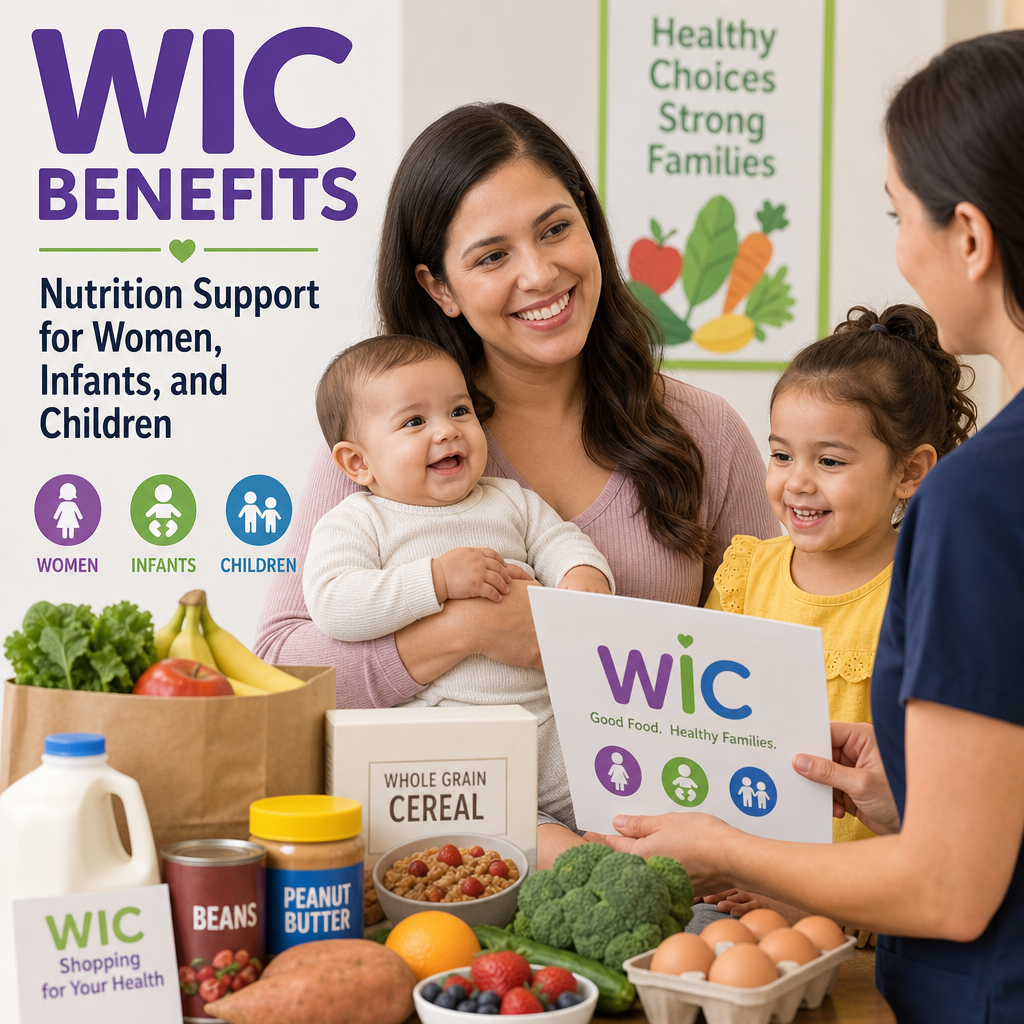
WIC Benefits: Nutrition Support for Women, Infants, and Children
WIC benefits help eligible families afford healthy foods, get breastfeeding support, and access important health services during pregnancy and early childhood. For many households, they offer practical nutrition support at the moments when it matters most.
By: Emilly Adams on July 24, 2026
When families are trying to stretch a budget, WIC benefits can make a real difference. The Special Supplemental Nutrition Program for Women, Infants, and Children—better known as WIC—helps eligible families buy nutritious foods, connect with breastfeeding support, and access health screenings and referrals. For many households, WIC benefits are more than grocery help; they are a practical support system during pregnancy, early childhood, and the months when healthy nutrition matters most.
WIC is designed to improve health outcomes for people who are pregnant, postpartum, breastfeeding, and for infants and children under age five who meet income and nutritional risk guidelines. If you are new to the program, understanding how WIC benefits work can help you make the most of them and decide whether you may qualify.
What Are WIC Benefits?
WIC benefits are food, nutrition, and health supports provided through the federal WIC program. The program is administered by state agencies and local clinics, which means the exact details can vary by location, but the core purpose stays the same: help families get the nutrition they need during critical stages of growth and development.
Who WIC Is For
WIC is available to:
Pregnant people
Postpartum people
Breastfeeding people
Infants
Children up to age 5
To qualify, families must also meet income guidelines and a nutrition risk requirement. Nutrition risk can include a dietary issue, a medical condition, or another concern identified during a WIC appointment.
Why WIC Exists
The program focuses on a simple idea: nutrition in early life matters. Healthy foods, breastfeeding support, and early guidance can help families build a stronger foundation for health. WIC benefits are not meant to replace a full grocery budget, but they can significantly reduce the cost of foods that support growth and development.
What Do WIC Benefits Include?
WIC benefits vary by state, but most participants receive a combination of food assistance, education, and referrals. These supports are tailored to the person’s stage of life and nutritional needs.
Food Benefits
One of the best-known parts of WIC benefits is the food package. Participants may receive benefits for items such as:
Iron-fortified infant formula, when medically or programmatically needed
Cereal
Milk
Yogurt
Cheese
Eggs
Whole grains
Beans and peas
Peanut butter
Fruits and vegetables
Baby foods and infant cereals
Juice, depending on state rules and eligibility
For breastfeeding parents, the food package may include extra foods that support nutrition during lactation. For infants, the package is designed to support growth during a critical developmental period.
Breastfeeding Support
WIC strongly promotes breastfeeding and offers support that may include:
One-on-one breastfeeding counseling
Peer counselors or breastfeeding specialists
Breast pumps, depending on need and state policy
Help with common breastfeeding concerns
This support can be especially valuable in the first days and weeks after birth, when many parents need encouragement, practical tips, and quick answers.
Nutrition Education
WIC also includes nutrition education that may cover:
Healthy meal planning
Infant feeding
Introducing solid foods
Reading food labels
Managing picky eating
Feeding children on a budget
This education is often practical and focused on real-life situations. Instead of generic advice, WIC staff can help families work through the challenges they face every week.
Health Screenings and Referrals
WIC clinics often provide basic health screenings and referrals to other services. These may include:
Growth checks
Iron or anemia screening, depending on location
Breastfeeding referrals
Connections to Medicaid, SNAP, immunization services, or prenatal care
Community resources for housing, food, and family support
These referrals can help families connect with services they may need but not know how to find.
How WIC Benefits Work
WIC has shifted in recent years from paper checks to electronic benefit transfer systems in many states. This makes shopping more flexible and easier for many families.
Using WIC at the Store
In many areas, families use an eWIC card or similar electronic method to buy approved foods at participating grocery stores and pharmacies. Benefits are usually loaded monthly. At checkout, the system automatically deducts eligible items from the family’s WIC balance.
What You Can Buy
You can only purchase foods listed on your benefits package and approved by the program. The package is based on the participant’s category and needs. For example:
An infant package is different from a child package
A breastfeeding parent’s package is different from a non-breastfeeding postpartum package
Some foods are brand-flexible, while others have strict requirements
It helps to review your state’s WIC shopping guide before going to the store so you know which items qualify.
What Happens at Recertification
WIC benefits are not permanent. Participants must recertify periodically to confirm continued eligibility. During recertification, the clinic may update income information, check nutrition needs, and adjust the food package based on age or life stage changes.
For example:
A baby will transition from infant foods to child foods as they grow
A postpartum participant may have a different package after breastfeeding ends
A child turning 5 will age out of the program
How to Qualify for WIC Benefits
Eligibility rules can vary slightly by state, but the general requirements are similar nationwide.
Basic Eligibility Factors
To qualify, you generally need to meet these conditions:
Category eligibility
You must be pregnant, postpartum, breastfeeding, an infant, or a child under age 5.
Income eligibility
Your household income must fall at or below the program limit, often tied to the federal poverty guideline.
Nutrition risk
A health professional or trained WIC staff member must identify a nutrition-related risk.
Documents You May Need
When applying, you may be asked to bring:
Proof of identity
Proof of residency
Proof of income
Proof of pregnancy, if applicable
Documentation for infants or children, such as birth certificates or immunization records
Some states may allow certain documents to be verified electronically, but it is smart to check with your local WIC office ahead of time.
How to Apply
Applying for WIC usually involves:
Finding your local WIC clinic
Scheduling an appointment
Bringing required documents
Completing a nutrition and health screening
Receiving your benefits if you qualify
Many agencies now offer phone or online appointments for part of the process, which can make enrollment easier.
Why WIC Benefits Matter for Families
WIC benefits are valuable because they support both immediate needs and long-term health. When families can access nutritious foods and breastfeeding support, they may find it easier to create consistent routines around meals and infant feeding.
Support During Pregnancy
During pregnancy, nutrition needs increase. WIC can help expectant parents get foods that support fetal development, like dairy, whole grains, fruits, vegetables, and iron-rich options. It also connects families with prenatal education and services.
Support for Infants
For infants, WIC benefits can help with feeding in the earliest months, when nutrition is essential. Whether a family is breastfeeding, using formula, or doing a combination of both, WIC offers resources that help caregivers make informed choices.
Support for Young Children
For toddlers and preschoolers, the program helps families introduce healthy foods and maintain good eating habits. Since young children can be picky, WIC’s practical guidance can make mealtimes a little easier.
Tips to Get the Most Out of WIC Benefits
A little planning can help you use WIC benefits effectively and avoid frustration at the store.
1. Learn Your Food Package
Review your benefits so you know exactly what is included. Some foods are brand-specific, while others are more flexible. Keep a copy of your shopping list or benefit details on your phone if your state offers a mobile app.
2. Plan Meals Around Approved Foods
WIC foods work best when they fit into your normal routine. For example:
Oatmeal and fruit for breakfast
Eggs and whole-grain toast
Beans and rice with vegetables
Yogurt and fruit as a snack
Peanut butter on whole-grain bread
Planning meals around approved foods helps you reduce waste and make the most of every benefit.
3. Ask Questions at the Clinic
If you are unsure about a product, ask WIC staff before shopping. They can help you understand substitutions, package changes, and how to handle special dietary needs.
4. Use Breastfeeding Support Early
If you plan to breastfeed, reach out for support before birth or soon after delivery. Early help can make a big difference if you run into latch issues, supply concerns, or discomfort.
5. Keep Track of Expiration Dates
WIC benefits often expire on a monthly schedule. Check your balance and use your benefits before they run out so you do not miss anything you are entitled to receive.
Common Misconceptions About WIC Benefits
Many families hesitate to apply because of rumors or misunderstandings. Clearing up a few common myths can help.
“WIC Is Only for People on Public Assistance”
Not true. WIC is based on category, income, and nutrition risk. You do not need to receive cash assistance to qualify.
“WIC Means You Can’t Choose Your Food”
WIC does limit foods to approved items, but the program still gives families choices within those categories. In many states, you can select from several brands or sizes.
“WIC Is Only for Babies”
WIC includes pregnant and postpartum people, breastfeeding parents, infants, and children up to age 5. It supports the family during some of the most nutrition-sensitive years.
“Using WIC Is Complicated”
Some parts take learning, but many families find the program manageable once they understand the basics. Local WIC staff can help you every step of the way.
WIC Benefits and Other Nutrition Programs
WIC often works alongside other supports, including SNAP, Medicaid, and community food programs. These services serve different purposes, so families may be eligible for more than one.
How WIC Differs from SNAP
SNAP provides broader grocery benefits, while WIC focuses on specific nutritious foods for women, infants, and children. WIC also includes nutrition education and breastfeeding support, which SNAP does not provide.
How WIC Can Work with Medicaid
Many WIC participants also use Medicaid. While the programs are separate, they often complement each other by supporting access to health care and nutrition.
Frequently Asked Questions
What are WIC benefits used for?
WIC benefits help families buy approved nutritious foods and access services like breastfeeding support, nutrition education, and referrals to health and social services. The goal is to improve nutrition during pregnancy, infancy, and early childhood.
Does WIC give cash?
No. WIC does not provide cash benefits. Instead, it provides specific food packages and support services that are designed to meet the nutritional needs of eligible participants.
Can I use WIC benefits at any grocery store?
No. You can only use WIC benefits at stores that are authorized by the program. Most states have a list of approved stores, and many larger grocery chains participate.
Can immigrant families apply for WIC?
Yes, many immigrant families can apply for WIC if they meet the program’s eligibility requirements. WIC participation does not have the same immigration concerns as some other public benefits, but families should check local guidance or speak with a WIC clinic for details.
How often do WIC benefits renew?
WIC benefits are usually issued monthly, but participants must also recertify periodically to stay enrolled. The timing depends on the participant’s category and state policy. Local WIC clinics can explain when renewal is needed.
WIC benefits provide meaningful support for families during pregnancy, infancy, and early childhood. By offering nutritious foods, breastfeeding help, nutrition education, and referrals, the program addresses more than just grocery costs—it supports healthier routines and stronger starts for children and caregivers alike. If you think you may qualify, the next step is simple: check your eligibility, gather your documents, and contact your local WIC clinic. Even if you are already enrolled, it is worth reviewing your benefits regularly so you can use them fully and confidently. In a time when many families are looking for practical ways to improve nutrition without adding financial strain, WIC remains one of the most important community resources available.
Emily A, holds a Master's degree in Public Administration (MPA) and has over 7 years of experience researching federal and state assistance programs. She writes educational content focused on government benefits, public policy, and community resources, using information from official agencies to help readers understand available programs and eligibility requirements.