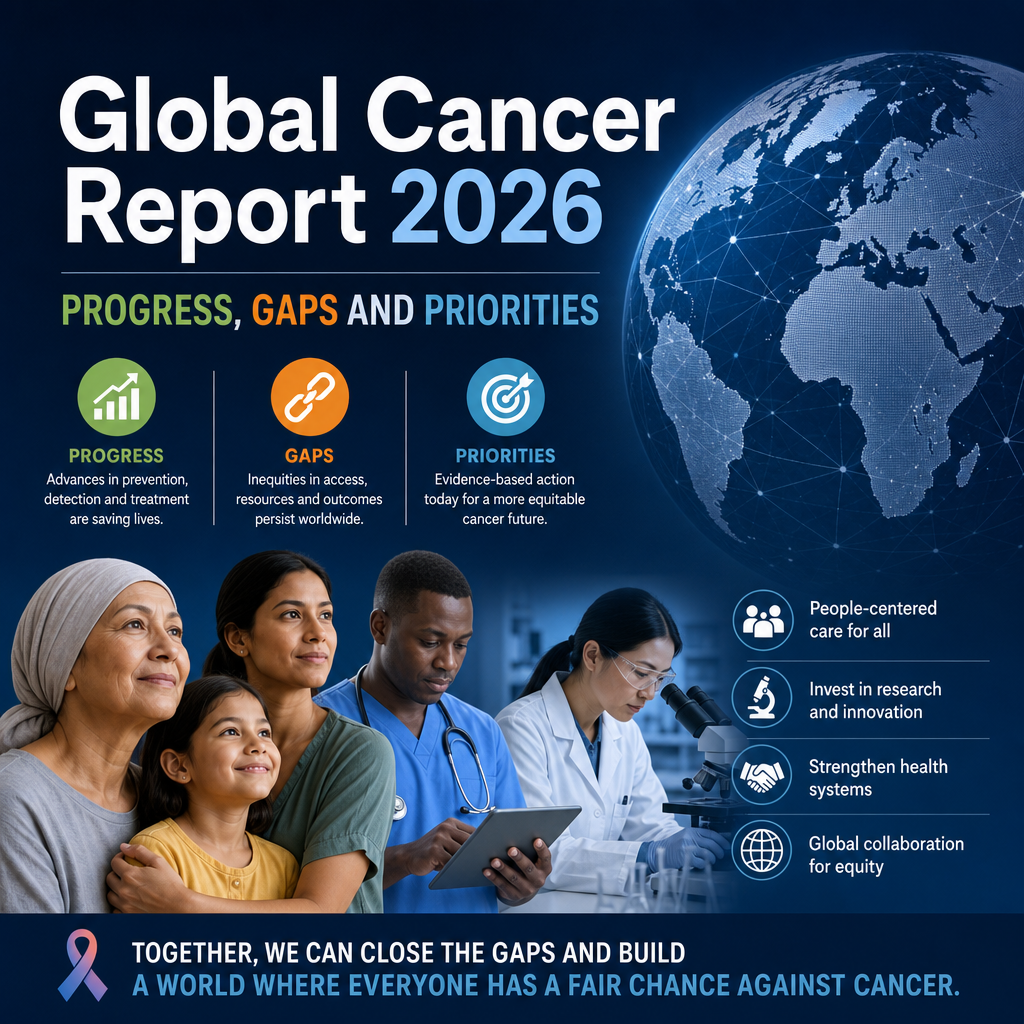
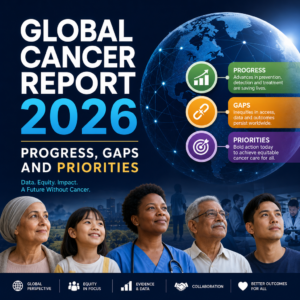
Global Cancer Report 2026: Progress, Gaps and Priorities
The global cancer report 2026 highlights real progress in prevention, early detection, and treatment, but it also shows that access and outcomes still vary sharply around the world. By pinpointing the biggest gaps and priorities, it offers a clear roadmap for making cancer care more equitable and effective.
By: Peter B on July 24, 2026
The Global Cancer Report 2026 arrives at a critical moment. Cancer remains one of the world’s most complex public health challenges, but the story is not only one of rising need. It is also a story of real progress: better screening programs, improved treatment options, stronger tobacco control in many countries, and growing attention to prevention and early detection. At the same time, major gaps persist in access, affordability, diagnosis, and long-term care.
Understanding the global cancer landscape in 2026 matters because cancer does not affect every country, community, or patient equally. Some populations benefit from advanced technology and coordinated care, while others still struggle to access a basic diagnosis. A useful Global Cancer Report 2026 must therefore do more than describe the burden of disease. It must identify where progress is happening, where systems are still failing, and what priorities can make the biggest difference going forward.
What the Global Cancer Report 2026 Shows
The core message of the Global Cancer Report 2026 is clear: the world has made meaningful advances, but not enough people are sharing in them. Cancer care is improving in many places, yet the gap between high-resource and low-resource settings remains wide.
Progress Worth Noting
Several important gains continue to shape cancer outcomes worldwide:
More prevention efforts are reaching communities through tobacco control, vaccination, and public education.
Earlier detection is improving for some cancers thanks to screening and awareness campaigns.
Treatment innovation continues, including targeted therapies, immunotherapy, and more precise radiation techniques.
Survival rates have improved for certain cancer types where early diagnosis and modern treatment are available.
Cancer registries and data systems are getting stronger in some regions, helping policymakers understand local needs.
These gains matter because they prove that cancer outcomes can improve when health systems invest in prevention, diagnosis, and treatment together.
The Persistent Challenge
Even with progress, many people still face delayed diagnosis, treatment interruptions, and financial hardship. In too many places, cancer is discovered at an advanced stage, when treatment is more difficult and expensive. Access to surgery, pathology, radiotherapy, chemotherapy, and palliative care remains uneven.
The Global Cancer Report 2026 makes one point especially important: progress in cancer care is not just about advanced medicine. It is about building systems that help people get care early and consistently.
Key Cancer Trends Shaping 2026
Cancer trends are changing as populations age, lifestyles evolve, and health systems adapt. The Global Cancer Report 2026 highlights several forces shaping the current landscape.
Aging Populations
As life expectancy rises in many countries, more people are reaching ages where cancer becomes more common. This does not mean cancer is unavoidable, but it does mean health systems must prepare for higher demand in screening, diagnosis, treatment, and survivorship care.
Lifestyle and Environmental Risks
Known risk factors continue to drive a significant share of cancer cases. These include:
Tobacco use
Harmful alcohol consumption
Unhealthy diets
Physical inactivity
Obesity
Exposure to air pollution and certain workplace hazards
Chronic infections linked to cancers, such as HPV and hepatitis
Public health strategies that reduce these risks can prevent many cancers before they start.
Uneven Screening and Early Diagnosis
Screening saves lives when it is well organized, evidence-based, and accessible. But screening programs are not equally available everywhere, and not every screening method works for every setting. The most effective programs are those that fit local resources and target cancers where early detection clearly improves outcomes.
Survivorship Is Growing in Importance
As more people live longer after a cancer diagnosis, survivorship care is becoming a larger priority. That includes managing side effects, monitoring recurrence, addressing emotional health, and supporting return to work or daily life. A modern Global Cancer Report 2026 must consider survivorship as part of quality care, not an afterthought.
Where the Biggest Gaps Remain
The most urgent issues in global cancer control are often not the most visible. The Global Cancer Report 2026 emphasizes that gaps in access and equity continue to shape outcomes more than medical knowledge alone.
1. Late Diagnosis
Many cancers are still diagnosed too late. This is especially true where people face barriers such as:
Limited awareness of warning signs
Poor access to primary care
Long wait times for referral
Lack of pathology and imaging services
Fear, stigma, or misinformation
When cancer is found at an advanced stage, survival is often lower and treatment more complex. Improving early diagnosis is one of the highest-value investments a health system can make.
2. Limited Access to Treatment
Even when cancer is diagnosed, treatment may not be available or affordable. Gaps may include:
Too few oncologists, surgeons, nurses, and radiation specialists
Missing diagnostic equipment or laboratory support
Long travel distances to treatment centers
High out-of-pocket costs
Medicine shortages or supply chain delays
These barriers can turn a treatable cancer into a deadly one.
3. Inequity Across Countries and Communities
Cancer care is shaped by geography, income, gender, race, disability, and migration status. People in rural areas may have fewer services. Minority communities may face language barriers or mistrust shaped by past discrimination. Lower-income patients often delay care because they cannot afford it.
A helpful Global Cancer Report 2026 should treat equity as a central measure of success, not a side issue.
4. Weak Data and Registry Coverage
Reliable data is essential for planning, but many countries still lack complete cancer registries. Without accurate information, it is difficult to know which cancers are most common, where gaps exist, or whether public health programs are working.
Good data helps answer practical questions such as:
Which cancers need the most attention?
Are screening programs reaching the right people?
Where should new treatment centers be placed?
Are survival outcomes improving fairly across communities?
5. Insufficient Palliative and Supportive Care
Cancer care is not complete without pain relief, symptom management, emotional support, and end-of-life care when needed. Yet palliative care remains underused in many settings. Patients and families may be left to manage pain, fatigue, anxiety, and treatment side effects without enough support.
Priorities for Action in 2026
The Global Cancer Report 2026 points toward a practical agenda. The goal is not only to reduce deaths, but to improve the entire cancer care experience from prevention through survivorship.
Strengthen Prevention
Prevention remains the most cost-effective long-term strategy. Countries can make progress by:
Expanding tobacco control policies
Supporting HPV vaccination and hepatitis B vaccination where appropriate
Promoting healthy eating and physical activity
Reducing harmful alcohol use
Improving workplace and environmental protections
Addressing obesity as a serious health risk
These actions do not eliminate cancer, but they can lower risk across entire populations.
Expand Early Detection and Screening
Screening works best when it is targeted, equitable, and connected to treatment. Screening without follow-up care does not improve outcomes. Health systems should focus on:
Clear guidelines for which cancers to screen for
Easy access to follow-up testing
Timely treatment after diagnosis
Education that helps people understand why screening matters
A successful program must do more than invite people to be tested. It must ensure they can move quickly into care if needed.
Improve Diagnosis Infrastructure
Accurate diagnosis is the foundation of effective treatment. That means investing in:
Pathology services
Imaging
Laboratory networks
Referral systems
Digital tools that help clinicians coordinate care
Without a timely and accurate diagnosis, even the best treatment plan cannot begin.
Build Cancer Workforce Capacity
No cancer system can function well without trained professionals. Workforce planning should support:
Primary care providers who recognize symptoms early
Surgeons, medical oncologists, and radiation oncologists
Pathologists and radiologists
Nurses, pharmacists, and navigators
Mental health and palliative care specialists
Training and retention are especially important in rural and underserved areas.
Make Treatment More Affordable
Financial toxicity is a real part of cancer care. Patients may struggle with transportation, missed work, childcare, medication costs, or uncovered services. To reduce harm, systems should consider:
Universal coverage or stronger financial protection
Affordable generic medicines where appropriate
Better procurement and supply chain systems
Patient assistance programs
Transportation and lodging support for distant care
Invest in Survivorship and Quality of Life
People living with and beyond cancer often need ongoing help. Survivorship care should address:
Fatigue and pain
Nutritional needs
Emotional distress
Fertility and sexual health concerns
Return to work or school
Long-term monitoring
This is especially important as survival improves and more people live for years after treatment.
What Policymakers Can Learn from the Global Cancer Report 2026
Policy decisions shape cancer outcomes more than most people realize. The Global Cancer Report 2026 offers a clear lesson: fragmented efforts are not enough.
Focus on Systems, Not Just Treatments
New drugs matter, but they cannot solve access problems on their own. A strong cancer strategy needs:
Prevention
Screening
Diagnosis
Treatment
Palliative care
Survivorship support
Data collection
These elements work best when they are connected.
Match Solutions to Local Needs
What works in one country may not work in another. A rural region with limited specialists may need telehealth and referral support. An urban area may need stronger screening and navigation services. A national plan should fit local cancer patterns, available resources, and community needs.
Measure Equity
Policymakers should not only ask whether cancer outcomes are improving. They should ask whether improvements are reaching everyone. That means looking at outcomes by income, race, geography, sex, age, and disability status.
What Health Systems and Communities Can Do
Cancer control is not only a job for governments. Hospitals, clinicians, nonprofits, employers, schools, and community leaders all play a role.
For Health Systems
Track referral delays and treatment wait times
Use patient navigators where possible
Improve communication between primary and specialty care
Expand telemedicine for follow-up and counseling
Build better support for adherence and survivorship
For Community Organizations
Share accurate information about cancer symptoms and screening
Reduce stigma and fear around diagnosis
Help people understand where and how to access care
Support patients with transportation, caregiving, or practical needs
For Individuals and Families
People can lower risk and improve outcomes by:
Avoiding tobacco and secondhand smoke
Staying up to date on recommended vaccines
Knowing family history
Asking about screening at the right age
Seeking medical attention for persistent symptoms
Following through on referrals and treatment plans
The Bigger Picture: Why 2026 Matters
The Global Cancer Report 2026 matters because it sits at the intersection of progress and urgency. The world knows more than ever about how to prevent, detect, and treat cancer. But knowledge alone does not save lives unless systems make that knowledge accessible.
The most hopeful part of the current moment is that many of the needed changes are already known. Better prevention, stronger primary care, timely diagnosis, affordable treatment, and supportive follow-up can make a real difference. The challenge is scale, equity, and sustained commitment.
Frequently Asked Questions
What is the Global Cancer Report 2026?
The Global Cancer Report 2026 is a summary-style view of worldwide cancer progress, gaps, and priorities. It examines trends in prevention, diagnosis, treatment, survivorship, and inequities across countries and communities.
Why is cancer still such a major global health issue?
Cancer remains a major global issue because populations are aging, risk factors are widespread, and access to early diagnosis and treatment is uneven. Even when effective care exists, many people cannot reach it in time or afford it.
What are the biggest priorities in global cancer control right now?
The biggest priorities include prevention, early diagnosis, equitable access to treatment, stronger health data systems, and better palliative care. Workforce development and survivorship support are also essential.
How can screening help reduce cancer deaths?
Screening can find some cancers earlier, when treatment is more effective. However, screening only helps when it is evidence-based, accessible, and linked to timely follow-up and treatment.
What can individuals do to reduce their cancer risk?
Individuals can reduce risk by avoiding tobacco, limiting alcohol, staying physically active, eating a balanced diet, keeping up with recommended vaccines, and talking to a clinician about appropriate screening.
The Global Cancer Report 2026 makes one thing unmistakably clear: the world has real opportunities to reduce the burden of cancer, but progress will depend on closing persistent gaps. Prevention efforts are advancing, diagnostic tools are improving, and treatment options continue to evolve. Yet many people still encounter delayed diagnosis, limited access to care, high costs, and weak support after treatment.
The path forward is not mysterious. Health systems need stronger prevention policies, more reliable screening and diagnosis, a better-trained workforce, and affordable treatment that reaches people where they live. Policymakers must also pay attention to equity, because average gains can hide serious injustice. Communities, clinicians, and families all have a role in improving awareness, supporting follow-up, and pushing for better care.
The most important takeaway from the Global Cancer Report 2026 is that change is possible when prevention, access, and quality work together. If health leaders and communities act on these priorities now, the next chapter in global cancer control can be defined by earlier detection, better survival, and more humane care for millions of people worldwide.
Peter B holds a degree in Journalism and has 5 years
of experience covering U.S. economic policy, labor markets, and
financial news. He writes data-driven news content on topics
like inflation, interest rates, and employment trends.