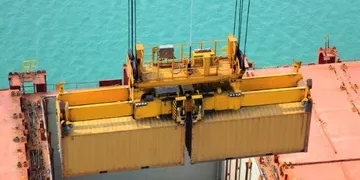
What the World Trade Organization Does and Why It Matters
The World Trade Organization helps make global trade more predictable by setting rules, supporting negotiations, and resolving disputes between countries. Understanding how it works shows why its decisions can influence everything from prices to product availability in everyday life.

How the World Bank Measures Poverty Across Countries
Global poverty measurement is more complex than comparing incomes because prices, currencies, and living costs vary widely from country to country. The World Bank uses standardized poverty lines and purchasing power adjustments to create a clearer picture of who is living in poverty worldwide.
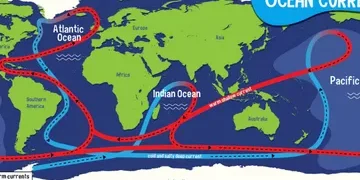
How the Oceans Shape Earth’s Climate and Weather
The ocean climate plays a powerful role in shaping temperatures, weather, and even long-term climate patterns around the world. By absorbing heat and moving it across the planet, the oceans help keep Earth livable and constantly changing.

Why Refugees Need International Protection and Legal Safeguards
Refugees need international protection because fleeing danger does not end the threat—it shifts it to the border, where safety, rights, and legal status may all be uncertain. By offering protection from forced return and access to basic rights, international protection gives people a real chance to rebuild their lives in dignity.
How the UN Security Council Responds to Global Crises
When global crises erupt, the UN Security Council becomes a key stage for urgent diplomacy, sanctions, peacekeeping, and decisions meant to protect civilians. But its response is shaped as much by international politics as by the crisis itself, which is why some emergencies move quickly while others stall.
How Artificial Intelligence Is Changing the Global Job Market
Artificial intelligence job market changes are reshaping careers faster than ever, from automating routine tasks to creating new roles that demand digital and analytical skills. Whether you’re a worker, employer, or policymaker, understanding these shifts is key to staying competitive in a rapidly evolving economy.
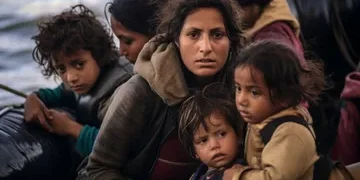
Why Global Migration Rises During Conflicts and Climate Disasters
Global migration often surges when conflict or climate disasters make daily life unsafe, unstable, or impossible to predict. From war zones to flooded coastlines, people are forced to move to protect their families, livelihoods, and future.
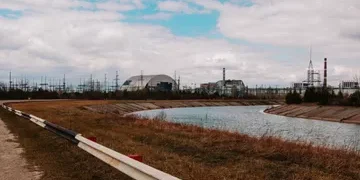
How Drought Disrupts Food, Energy, and Water Supplies
Drought can disrupt food, energy, and water supplies in ways that ripple through daily life, from lower crop yields and rising food prices to strained power generation and shrinking reservoirs. Understanding these connections helps communities prepare before a dry spell becomes a full-blown crisis.
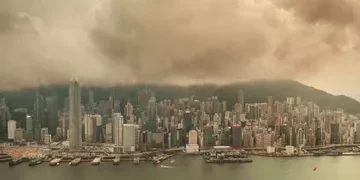
How Wildfire Smoke Crosses Borders and Impacts Public Health
Wildfire smoke can travel far beyond the fire itself, crossing borders and turning a distant blaze into a real public health concern. Here’s how it moves, why it lingers, and what that means for the people breathing it in.

Why Undersea Internet Cables Are Critical Global Infrastructure
Undersea internet cables are the hidden highways that keep the world connected, carrying nearly all international data beneath the oceans. From video calls and cloud services to financial trades and emergency communications, they make modern life and the global economy possible.