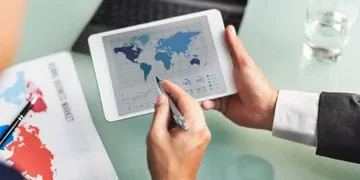
How Economic Sanctions Affect Countries, Companies, and Consumers
Economic sanctions can quickly reshape a country’s economy, disrupt business operations, and raise costs for everyday consumers. In this article, we’ll break down how they work and why their effects often reach far beyond the intended target.

Rare Earth Minerals and the Technology Supply Chain Race
Rare earth minerals power everything from electric vehicles to defense systems, making them essential to today’s technology supply chains. As demand rises, securing reliable access has become a global race with major economic and strategic stakes.
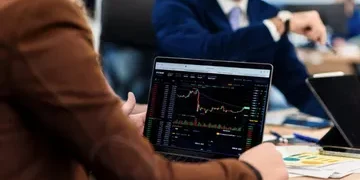
How Central Bank Rate Decisions Move Global Markets
Central bank rate decisions can send shockwaves through global markets, moving everything from stocks and bonds to currencies and commodities in minutes. Because investors react not just to the rate change itself but to what it signals about the economy ahead, even a small surprise can have a big impact.
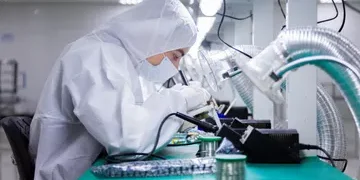
Why Semiconductor Supply Chains Matter to the Global Economy
Semiconductor supply chains power everything from smartphones to smart factories, making them a critical backbone of the global economy. When these supply chains run smoothly, innovation moves faster—but even small disruptions can quickly ripple through industries, prices, and trade.

How Global Shipping Chokepoints Disrupt Trade and Supply Chains
Shipping chokepoints are small points on the map with outsized power over global trade. When they clog or close, delays, higher costs, and supply shortages can ripple across industries far beyond the original disruption.
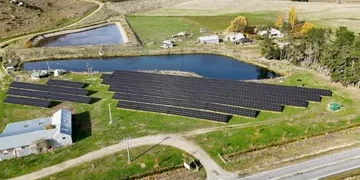
Sustainable Development Goals Report 2026: Global Progress Status
The Sustainable Development Goals Report 2026 shows a mixed global picture: while some areas are advancing, many others still face major setbacks from conflict, climate change, and inequality. This report highlights where progress is real, where it is stalling, and why faster coordinated action is now essential.

Global Hunger Report 2026: Latest Data and Key Findings
The global hunger report reveals that progress against food insecurity is possible, but fragile, as conflict, climate shocks, and rising costs continue to leave millions without reliable access to nutritious food. By showing where hunger is worsening and why, the report points to the urgent need for coordinated, long-term solutions.

Global Cancer Report 2026: Progress, Gaps and Priorities
The global cancer report 2026 highlights real progress in prevention, early detection, and treatment, but it also shows that access and outcomes still vary sharply around the world. By pinpointing the biggest gaps and priorities, it offers a clear roadmap for making cancer care more equitable and effective.

Global EV Outlook 2026: Sales, Batteries, and Charging Trends
Global EV Outlook 2026 points to a market moving beyond hype and into real-world scale, where sales growth, battery innovation, and charging access are all shaping the next phase of EV adoption. From lower costs to better infrastructure, the trends ahead will determine how quickly electric vehicles become the mainstream choice.

IMF World Economic Outlook 2026: Growth, Inflation, Global Risks
The World Economic Outlook is one of the clearest guides to what may shape the global economy in 2026, from growth and inflation to debt, trade, and financial stability. With uncertainty still high, the IMF World Economic Outlook 2026 will be essential reading for anyone trying to understand the risks and opportunities ahead.